

Road to Vehicle Communication
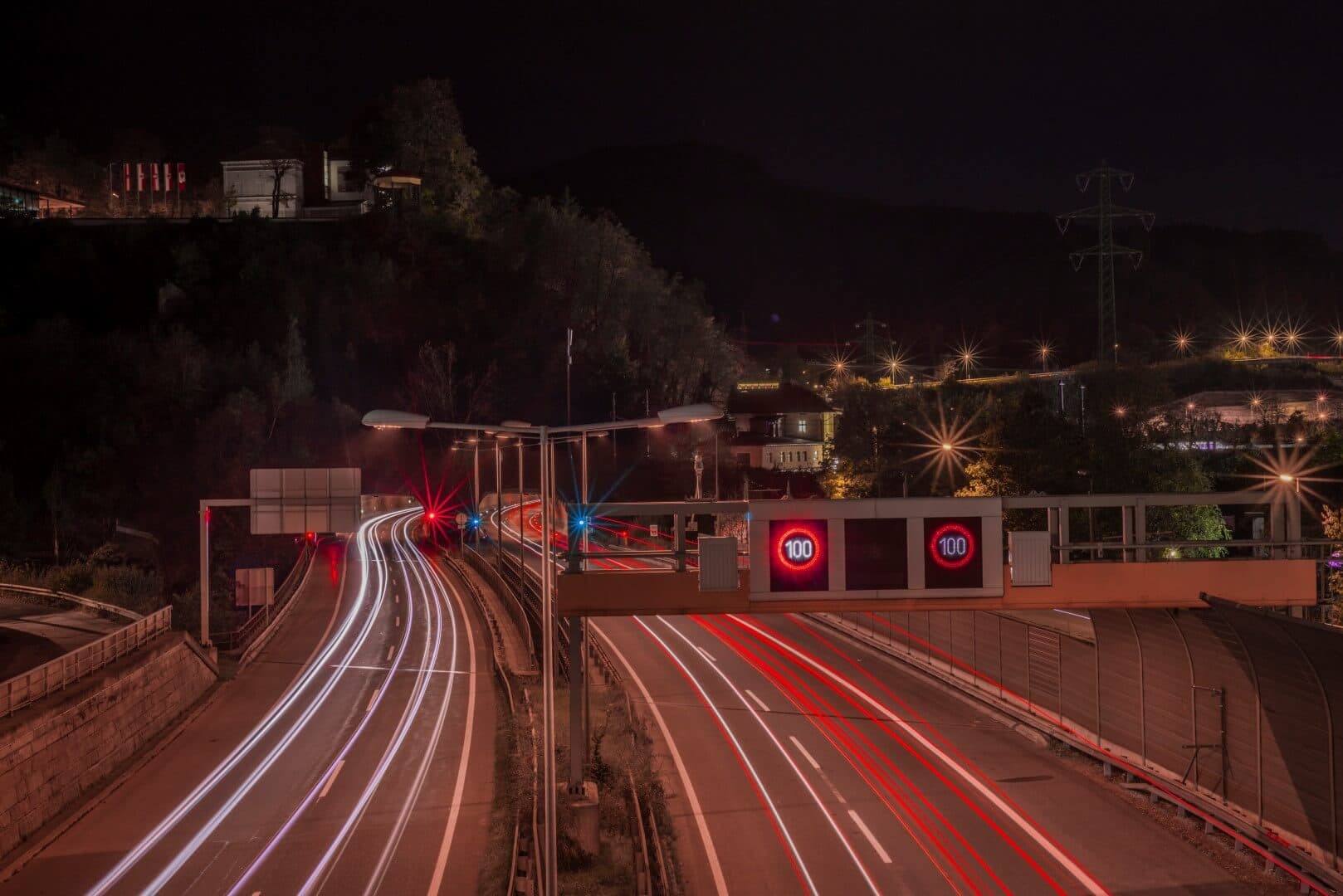
There is a potential to decrease congestions and collisions by connecting vehicles to the infrastructure. This also enables a wide range of other safety, mobility, and environmental benefits.
Key Benefits
Enhanced Surroundings Awareness
Drivers are kept informed of their surroundings in real-time through road infrastructure (e.g. traffic lights), enabling contextual and location-based feeds.
Improved Traffic Flow
Upcoming traffic lights continuously feed vehicles recommended speeds to minimize stoppages. Similarly, emergency vehicle paths are always cleared.
Improved Traffic Management
Distributed road infrastructure can act as sensors feeding data to a national traffic management platform generating insights and intelligence.
User Journey
Potential Service Features
- •Link to Car Dashboard
- •Voice Commands
- •Vehicle to Vehicle Communication
- •Vehicle Speed Remote Monitoring
- •Crowd Sourced Road Information
Implementation Analysis
Implementation Timeline
Regulatory Conduciveness
Technology Commercial Viability
Investment Requirements
Key Implementation Considerations
Integration with 3rd party facility sensing technology infrastructure
Policies and standards for data and footage collection and their potential usage
Potential Integration with emergency response Units
Car device compatibility with various vehicle manufacturers
Conceptual Diagram

Relevant Tech Solutions