

Autonomous Neighborhood Fleet
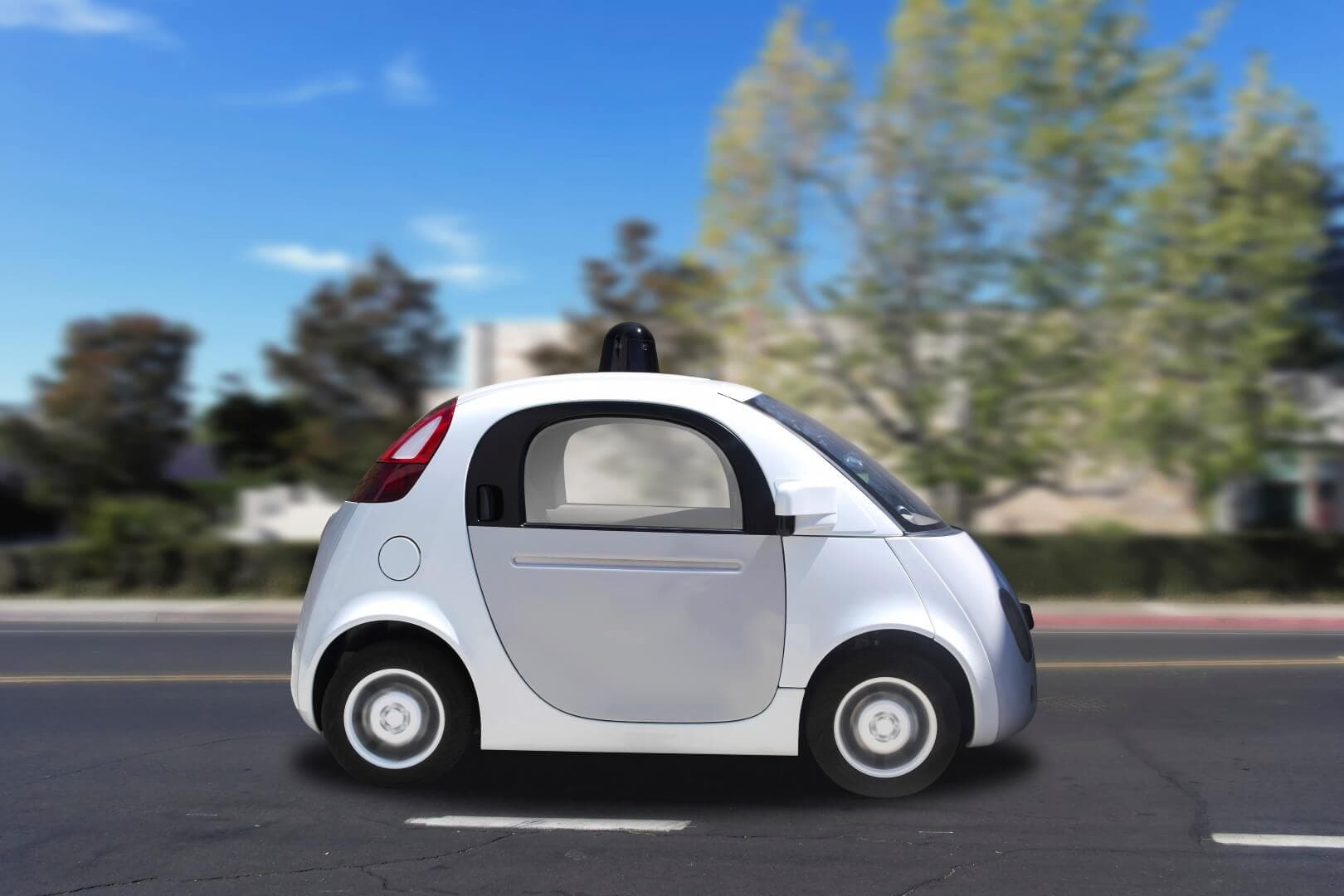
Deploy autonomous neighborhood vehicles to bridge the last mile transportation gap between public transport drop-off points (i.e. metro and bus stations) and final traveler destinations. Autonomous neighborhood fleets can be deployed as feeder transportation systems with their own special lanes, allowing passengers to reach metro and bus stations more conveniently and safely.
Key Benefits

Reduced Traffic Congestion
Bridging the “last mile” of travelers’ journeys, Autonomous Neighborhood Fleets eliminate the need for private vehicles to transport passengers to and from stations.
Reduced Environmental Impacts
Autonomous vehicles substitute private vehicles, reducing the need for urban parking lots and positively decreasing harmful emissions.

Enhanced Travel Experience
Integrated with Qatar’s public transportation network, the service provides a private, personalized and hassle-free travel journey to the final destination (i.e. home doorstep).
User Journey
Potential Service Features
- •NFC Enabled Payment
- •Electronic Receipts
- •Biometric Passenger Identification
- •NFC Enabled Identification
- •Special Needs Accessibility
Implementation Analysis
Implementation Timeline
Regulatory Conduciveness
Technology Commercial Viability
Investment Requirements
Key Implementation Considerations
Policies for autonomous vehicles on public roads
Identification of passengers for accurate drop-offs and payment settlement
Policies for insurance coverage
Integration with public transportation portal for ticketing and journey continuation
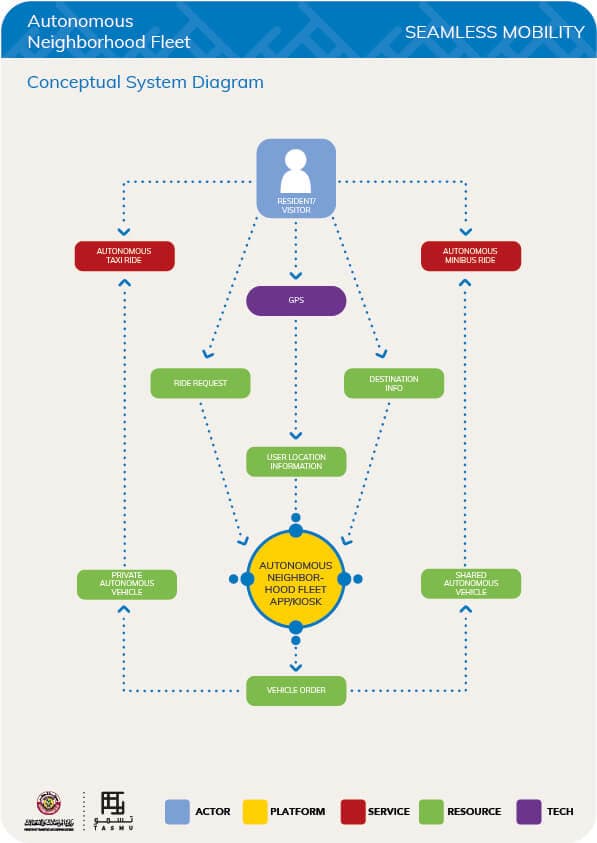
Conceptual Diagram
Relevant Tech Solutions